A vacation-rental host opens the door to guests from all over the world. But when it comes to payment, sometimes the safest choice is to keep the cash out of the equation.
Running a short-term rental is much more than providing a beautiful, comfortable place for guests to stay. It is also about protecting the property, the host, and the business. I learned the hard way. Luckily I escaped by the skin of my teeth. This is a cautionary tale for any other host out there. Be careful!
One lesson I have learned through the vacation-rental business is this. When you don’t know the person on the other side of the booking, payment security matters. And that is one reason I am cautious about accepting cash from strangers.
The Problem with Cash
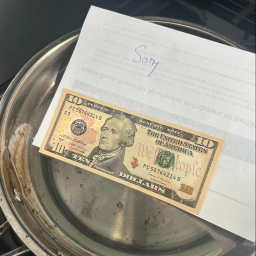
One day, I received a call from a desperate lady. She needed somewhere to stay and she needed it urgently. I quoted her the cost of staying at the property and offered her the option of paying with her credit card. She politely resisted and said she prefered to pay with cash. I was trusting and naive at the time so I accepted the cash. At the end of her three day stay, the expereince became unpleasant and I had a difficult time getting her to leave.
A Credit Card Creates a Payment Trail
One of the reasons I prefer credit-card payments is the paper trail. A card transaction generally creates an electronic record showing that a payment was made. Depending on the booking platform and payment processor, the host may also have records showing the reservation, payment amount, date, and other transaction details. That documentation can be valuable when managing a professional vacation-rental business. This is a must! It also creates a level of accountability for both sides. The guest has evidence of what they paid and the host has evidence of what was received.
A WORD of caution! a Credit Card Isn’t a Magic Shield
It is important to be realistic here. Accepting a credit card does not mean that a host is automatically protected against every type of loss, fraud, chargeback, or property damage. There are some bad players out there. Guests can dispute transactions and cards can be stolen. The truth is payment processors have their own rules and procedures but the point is not that credit cards eliminate risk. The point is that electronic payments can provide documentation, traceability, and established dispute processes that cash simply cannot provide in the same way.
our Property Is our Business
For many of us Airbnb and vacation-rental hosts, our properties represent a significant financial investment. We would have placed our blood, sweat and tears into this venture. There are utilities, maintenance, cleaning, insurance, furniture, appliances, linens, taxes and of course, the time the host spends preparing the property and caring for guests. A host therefore has every right to establish payment procedures that protect that investment. Saying, “I don’t accept cash from people I don’t know” isn’t necessarily unfriendly, it is a business policy.
My Rule: Trust People, But Protect the Business
We must agree that hospitality is built on trust. We welcome strangers into our homes because we want them to enjoy their stay with us. We provide them with keys and access to our property and that is some level of trust. We really do want them to be comfortable, feel respected, and cared for. The one thing we must remember is that hospitality and good business practices can exist together. You can welcome people warmly while still maintaining strong financial boundaries. Cash may be king in some situations, but when dealing with people you don’t know in the vacation-rental business, a documented electronic payment can provide an important layer of security and accountability.
Thankfully, I learned my lesson real early and real fast. There will be many more lessons for me to learn but I get it! Hospitality is about opening your doors to people and good business is about making sure those open doors don’t leave you unnecessarily exposed. HAPPY HOSTING FOLKS!
Disclaimer: This article reflects my personal and practical experience and is not financial or legal advice. Payment protections vary by card issuer, payment processor, booking platform, and jurisdiction.